
MyPiercing · Guidance for professionals
MyPiercing Blog
Practical, technical guides to piercing materials, sterilisation, jewellery closures, finishes and sizing for professional studios and resellers.

Single-Use or Reusable? Managing the Piercing Studio Workflow
How to determine the correct pathway for each item and keep single-use and reusable materials under control.
Read the article →: Single-Use or Reusable? Managing the Piercing Studio Workflow
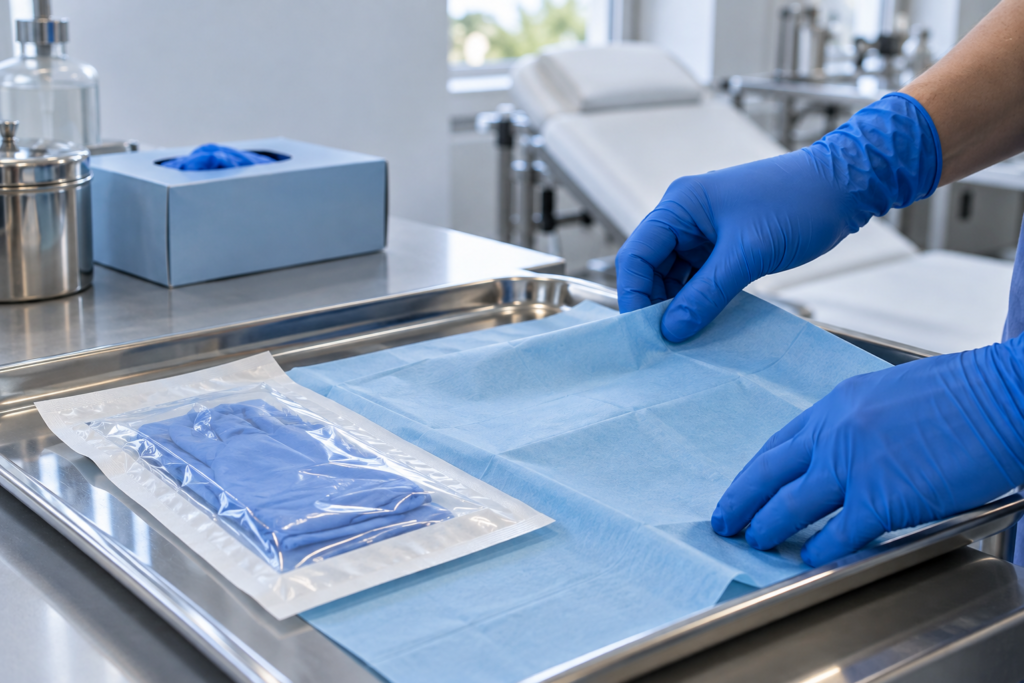
Sterile gloves and examination gloves in body piercing: differences and use
When should a piercing studio use sterile or examination gloves? Understand the practical differences, glove changes, materials and limits of general guidance.
Read the article →: Sterile gloves and examination gloves in body piercing: differences and use
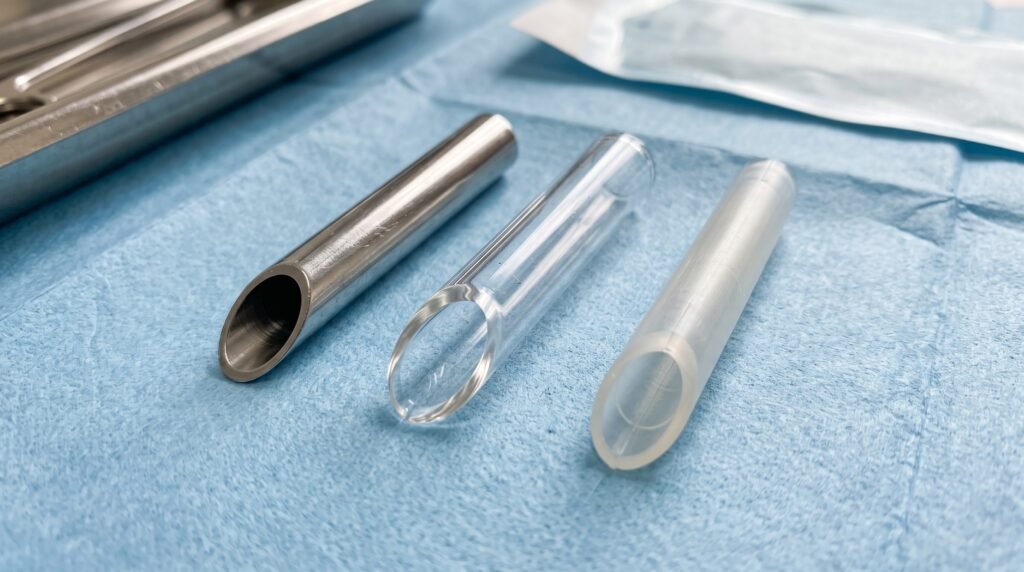
Stainless Steel, Glass and Single-Use Receiving Tubes: Key Differences
Material affects maintenance and limitations, but does not by itself show that a receiving tube is sterile, safe or suitable.
Read the article →: Stainless Steel, Glass and Single-Use Receiving Tubes: Key Differences
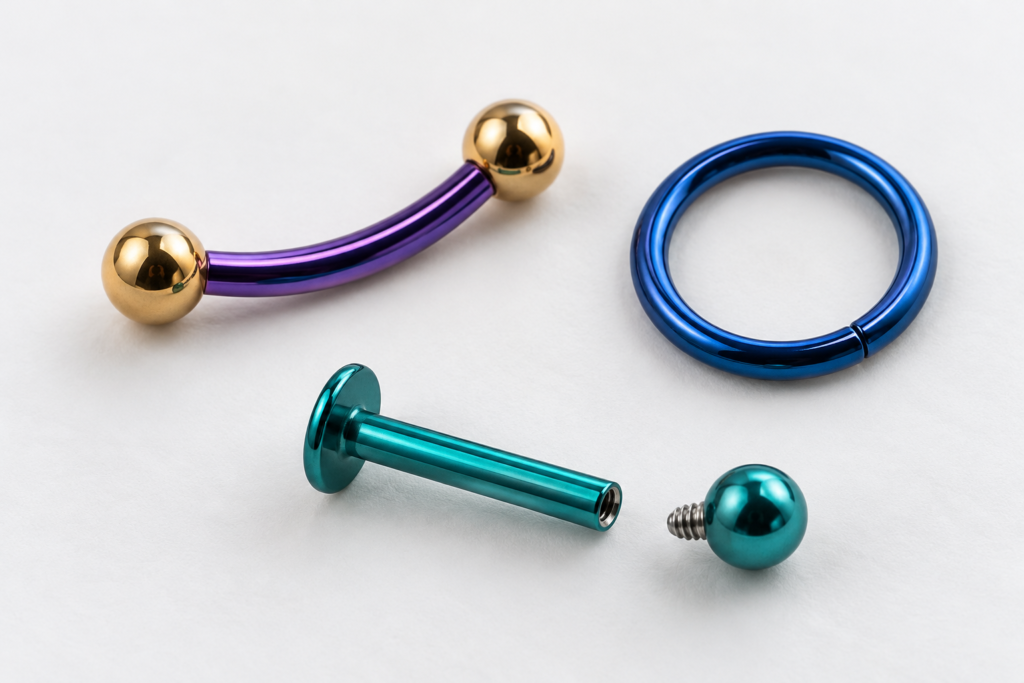
Anodising Titanium and Niobium for Piercing Jewellery
How anodised colours form, what voltage charts can and cannot tell you, and why documented material and finish matter more than colour alone.
Read the article →: Anodising Titanium and Niobium for Piercing Jewellery
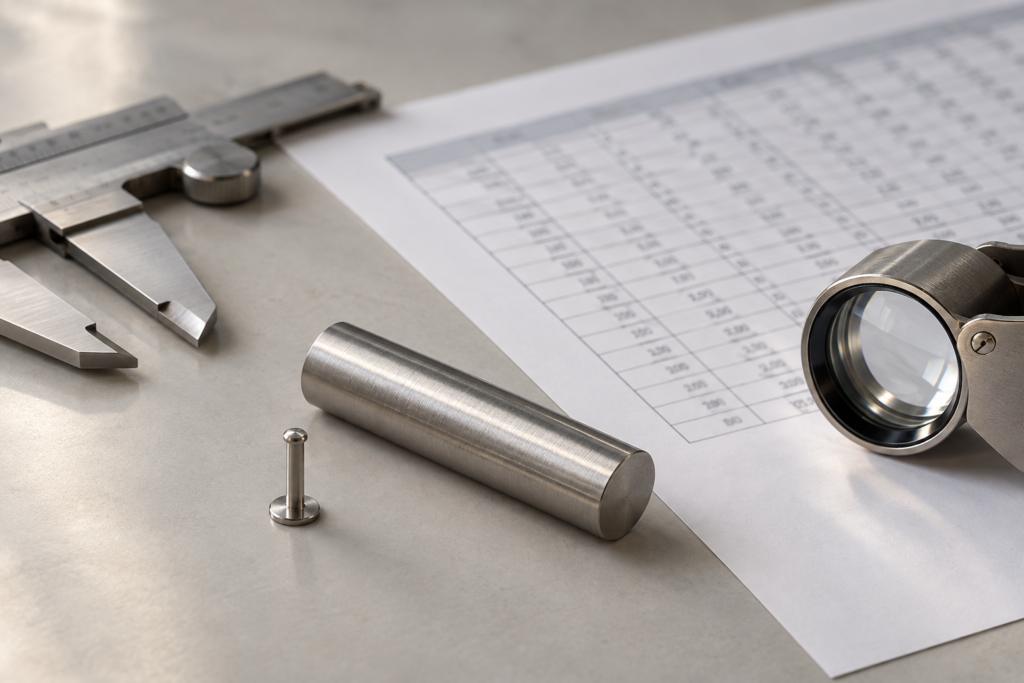
Mill Test Certificates for Piercing Jewellery: How to Read an MTC
A practical guide for piercers to reading mill test certificates, checking standards, heat numbers and test results, and distinguishing raw material from finished jewellery.
Read the article →: Mill Test Certificates for Piercing Jewellery: How to Read an MTC
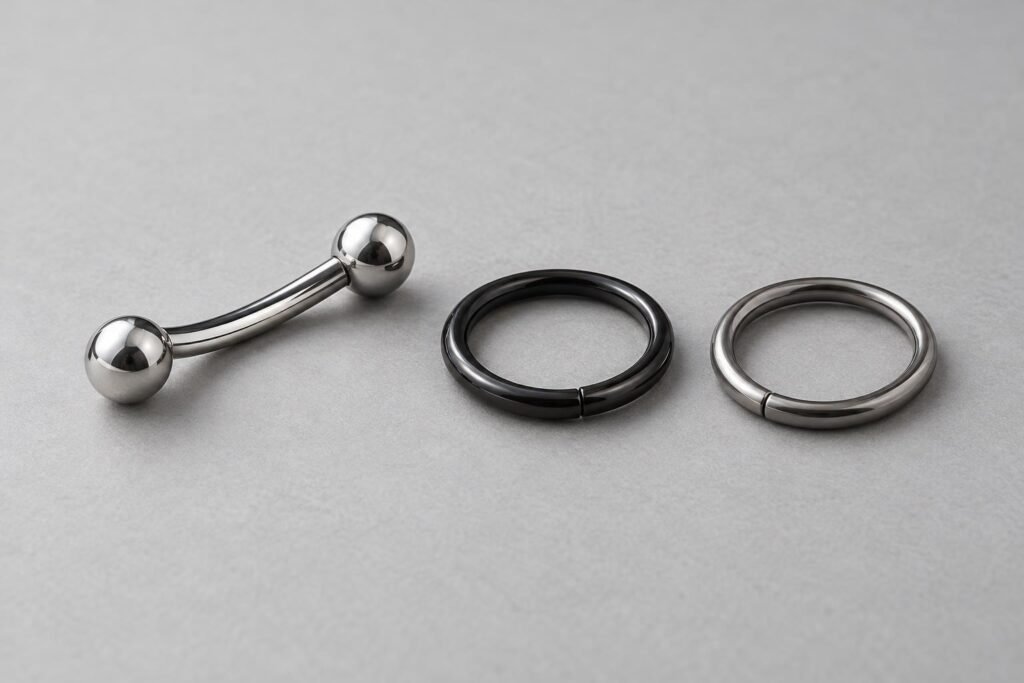
Cobalt-Chromium and Niobium for Piercing Jewellery: ASTM F75, F1537 and B392
A practical comparison of CoCr and niobium grades, material forms, finishes, nickel release and batch documentation.
Read the article →: Cobalt-Chromium and Niobium for Piercing Jewellery: ASTM F75, F1537 and B392
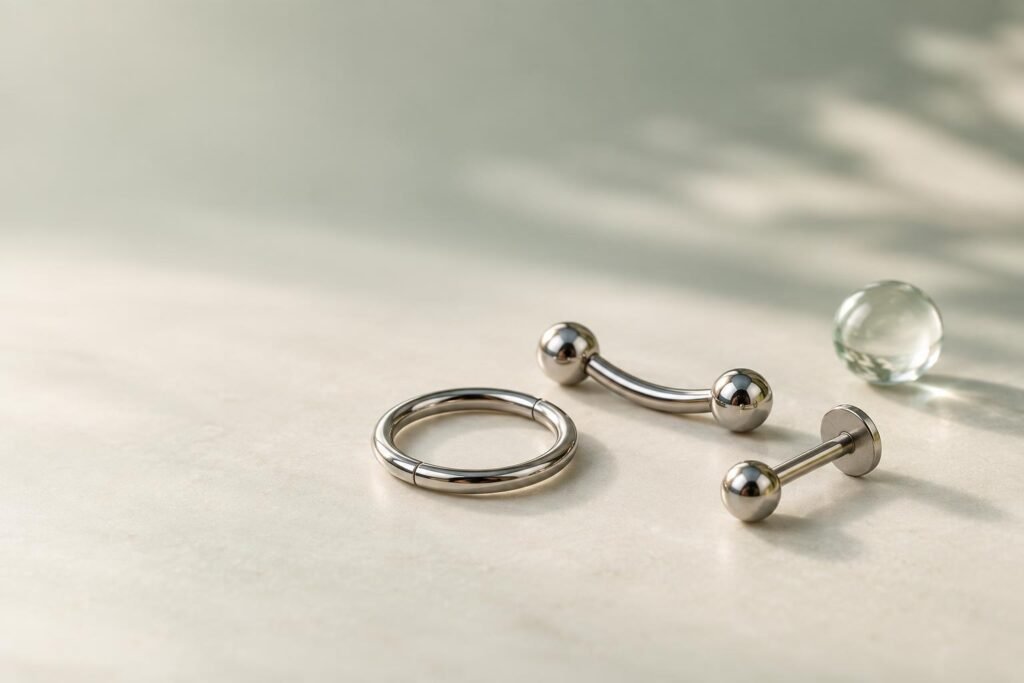
Metal Allergy and Piercings: Recognising Contact Dermatitis and What to Do
How to recognise possible signs of a jewellery allergy, understand the limits of visual assessment and know when to seek medical advice.
Read the article →: Metal Allergy and Piercings: Recognising Contact Dermatitis and What to Do
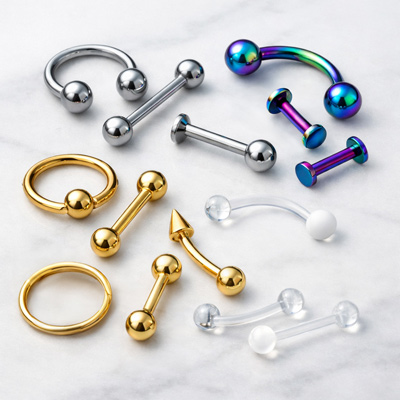
A guide to piercing jewellery materials
A guide to common piercing jewellery materials—titanium, surgical steel and gold—with a focus on safety, biocompatibility, healing and when each may be considered.
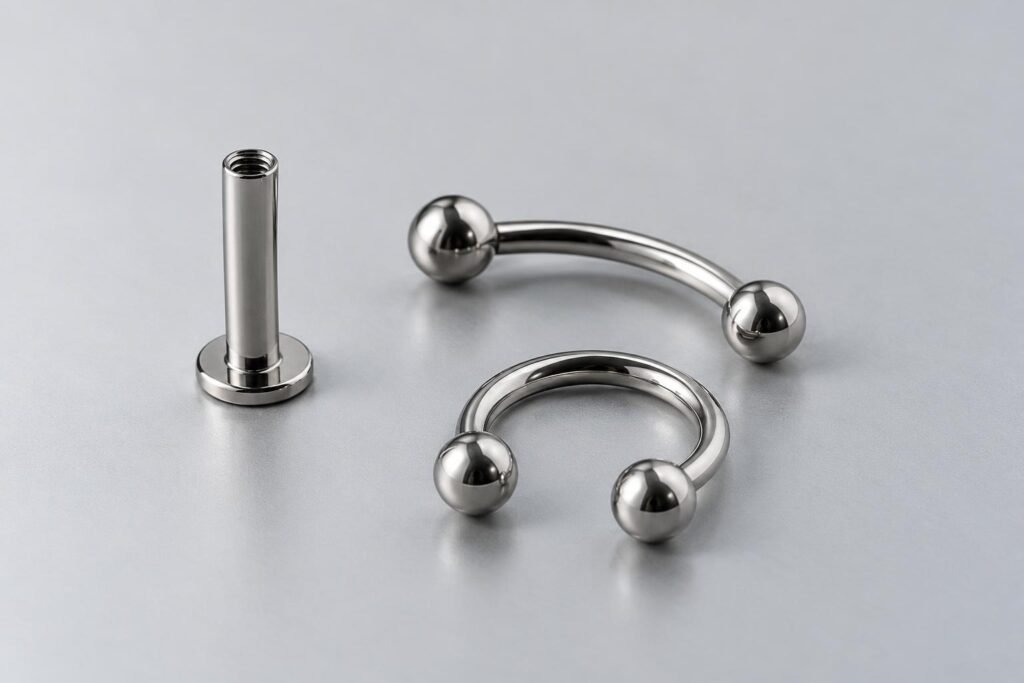
ASTM F136 titanium: what it means and how it is used in piercing
A practical guide to Ti-6Al-4V ELI alloy, reading material documentation and choosing jewellery for a healing piercing.
Read the article →: ASTM F136 titanium: what it means and how it is used in piercing