
MyPiercing · Guidance for professionals
MyPiercing Blog
Practical, technical guides to piercing materials, sterilisation, jewellery closures, finishes and sizing for professional studios and resellers.
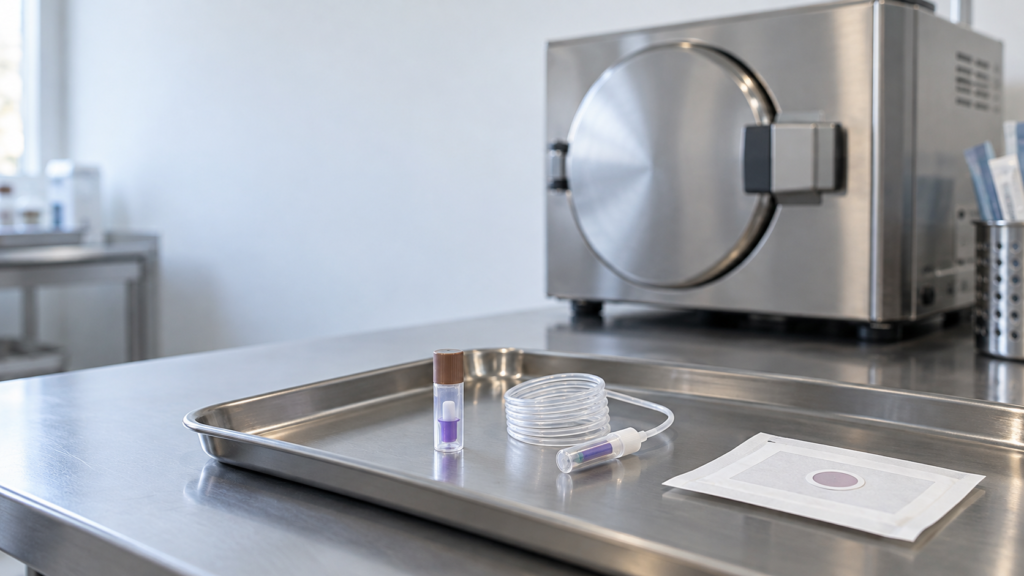
Biological and Bowie-Dick Tests: How to Monitor Autoclave Cycles
Learn what Bowie-Dick, Helix and biological indicators check, how their roles differ, and how to document autoclave monitoring in a piercing studio.
Read the article →: Biological and Bowie-Dick Tests: How to Monitor Autoclave Cycles
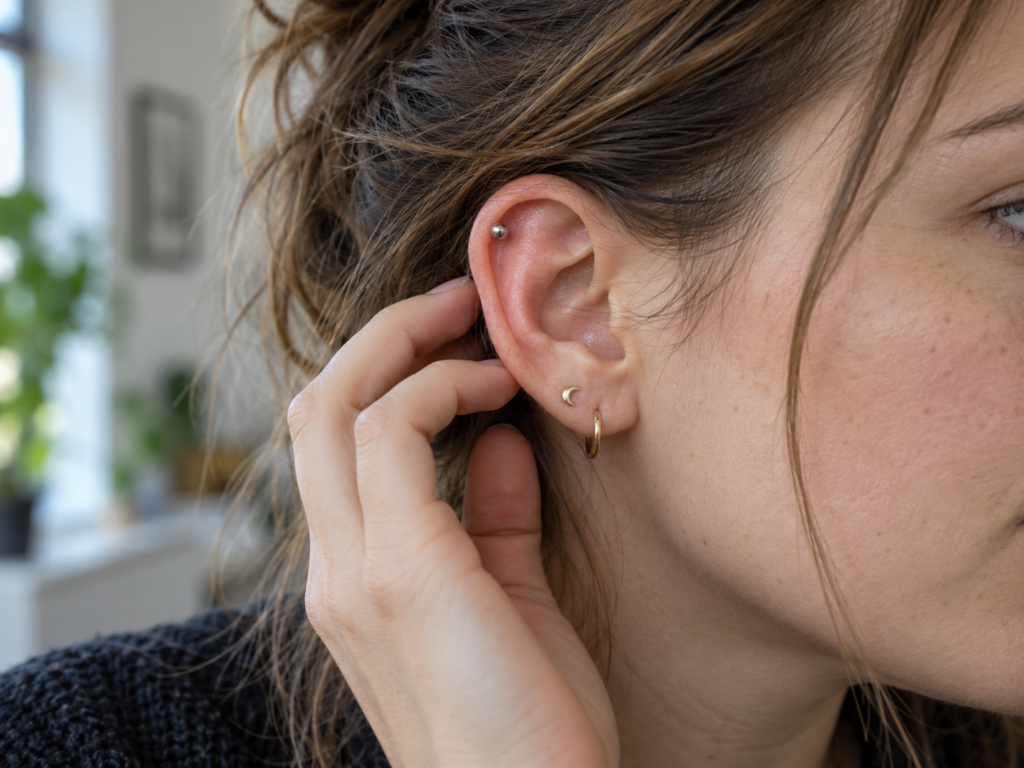
An Itchy Piercing During Healing: Is It Normal?
A piercing that itches may be healing or irritated. Learn how to reduce irritants and which signs call for medical advice.
Read the article →: An Itchy Piercing During Healing: Is It Normal?
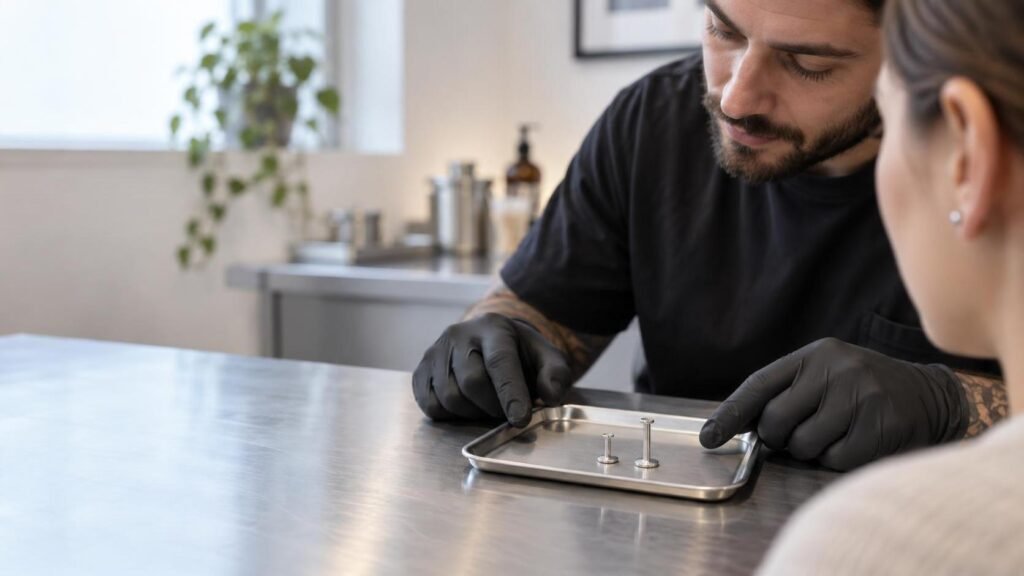
Piercing downsizing: how to organise check-ups and jewellery changes
Clear follow-up helps clients understand when to have jewellery fit assessed and allows the studio to support healing without turning a check-up into a sales pitch.
Read the article →: Piercing downsizing: how to organise check-ups and jewellery changes

Can You Go to the Gym After Getting a Piercing?
Exercise during healing may be possible. What matters most is avoiding knocks, friction and pressure on the area, rather than following a fixed number of days.
Read the article →: Can You Go to the Gym After Getting a Piercing?
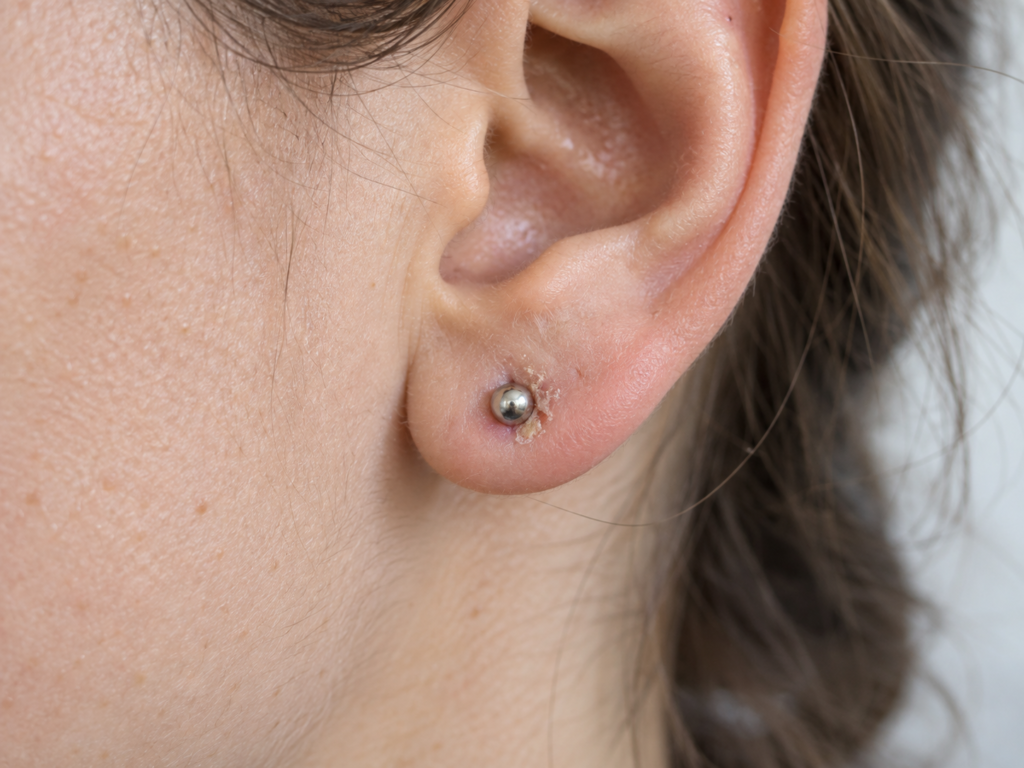
Crusting and discharge from a piercing: what is normal during healing?
Clear or pale discharge and crusting around a piercing: what may be part of healing, how to care for it and when to seek medical assessment.
Read the article →: Crusting and discharge from a piercing: what is normal during healing?
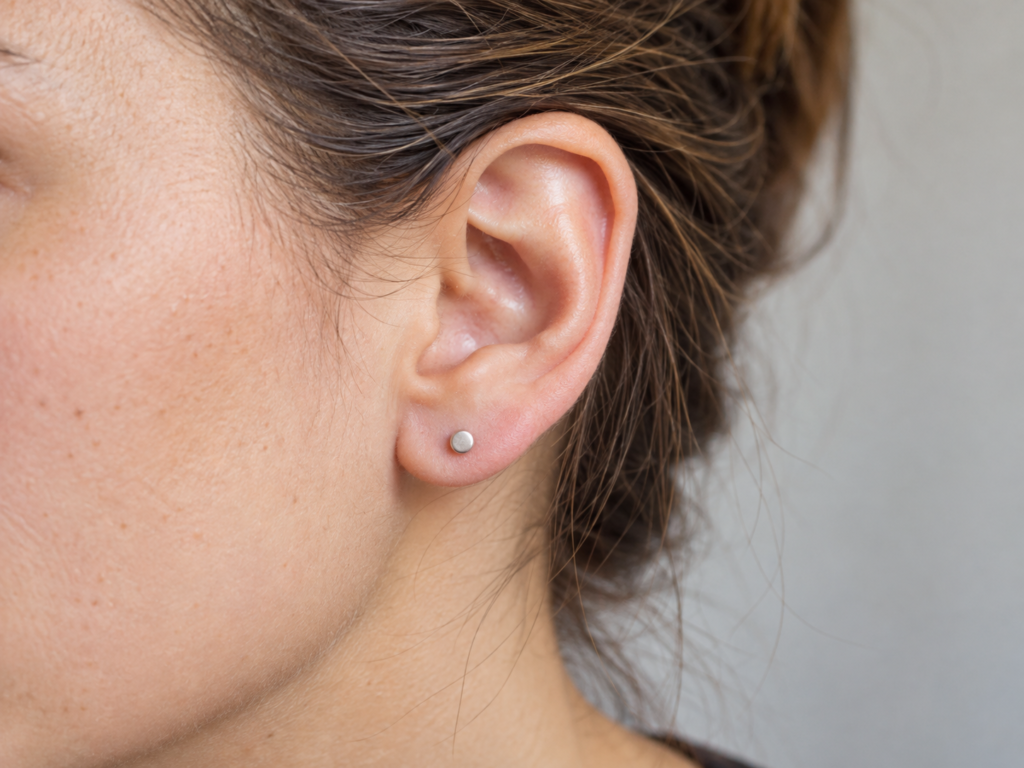
How can you tell whether a piercing has really healed?
How to assess whether a piercing has healed: external appearance versus internal maturation, signs to watch for, careful aftercare and when to seek medical care.
Read the article →: How can you tell whether a piercing has really healed?
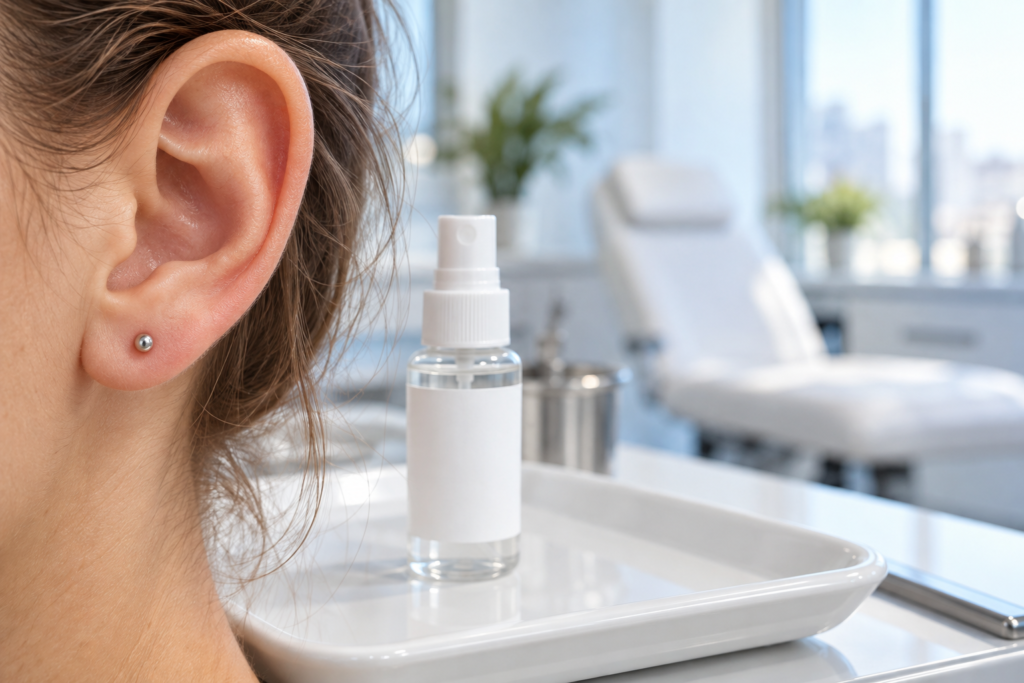
Piercing Aftercare: Why You Should Avoid Alcohol, Harsh Antiseptics and Unprescribed Ointments
Guidance for piercers on alcohol, antiseptics and ointments in piercing aftercare, including signs that warrant referral for healthcare assessment.
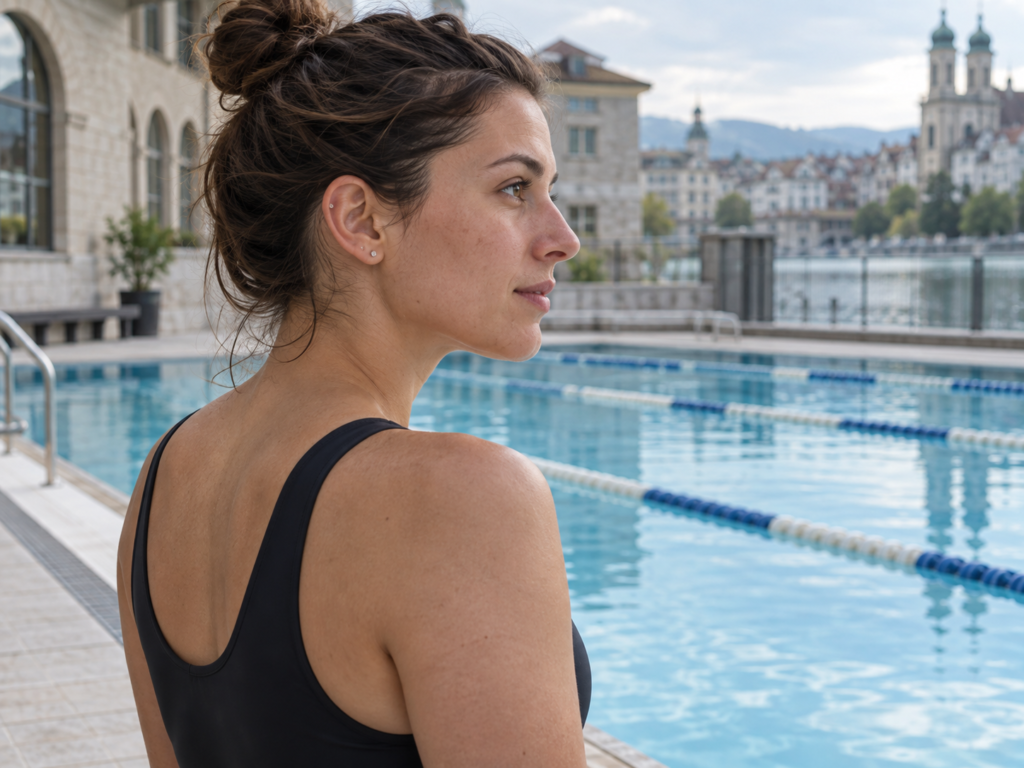
Can you go swimming or to the seaside after getting a piercing?
Swimming pools, the sea, lakes and a healing piercing: why to avoid submersion, how to shower, and when to seek advice.
Read the article →: Can you go swimming or to the seaside after getting a piercing?
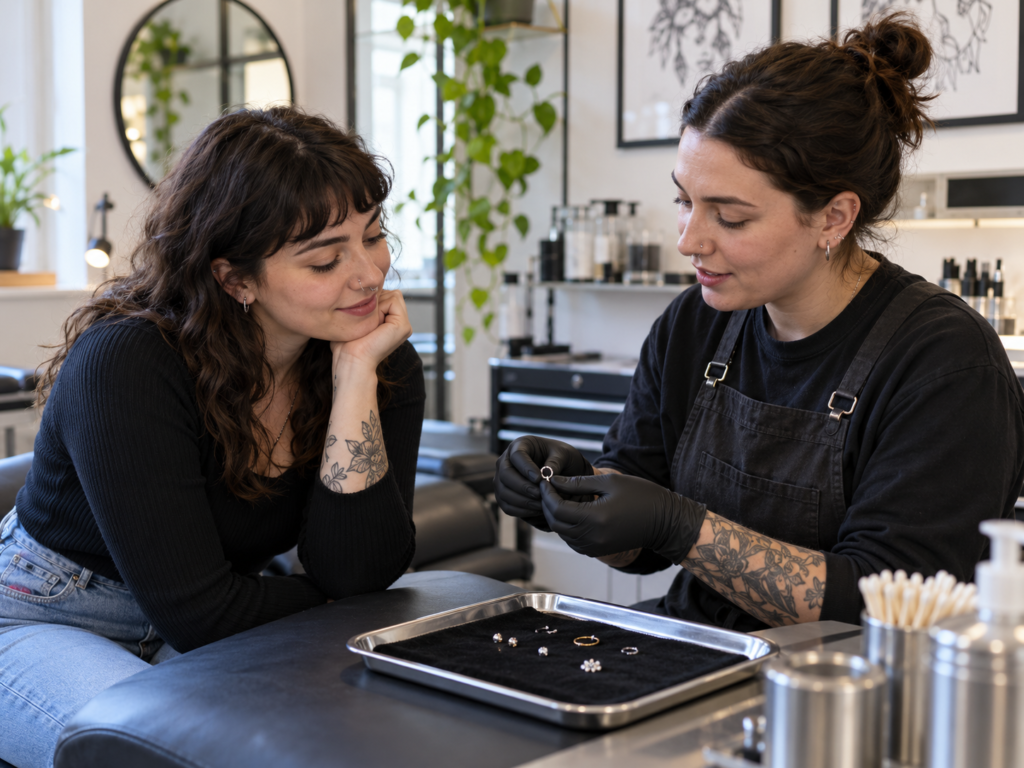
When Can I Change My Piercing Jewellery for the First Time?
There is no one date for everyone: learn the difference between downsizing and a style change, when to see your piercer, and which signs not to ignore.
Read the article →: When Can I Change My Piercing Jewellery for the First Time?

When Should a Piercer Refer a Client to a Healthcare Professional?
Recognising the limits of the piercer’s role is part of care: observe, communicate and refer without diagnosing.
Read the article →: When Should a Piercer Refer a Client to a Healthcare Professional?
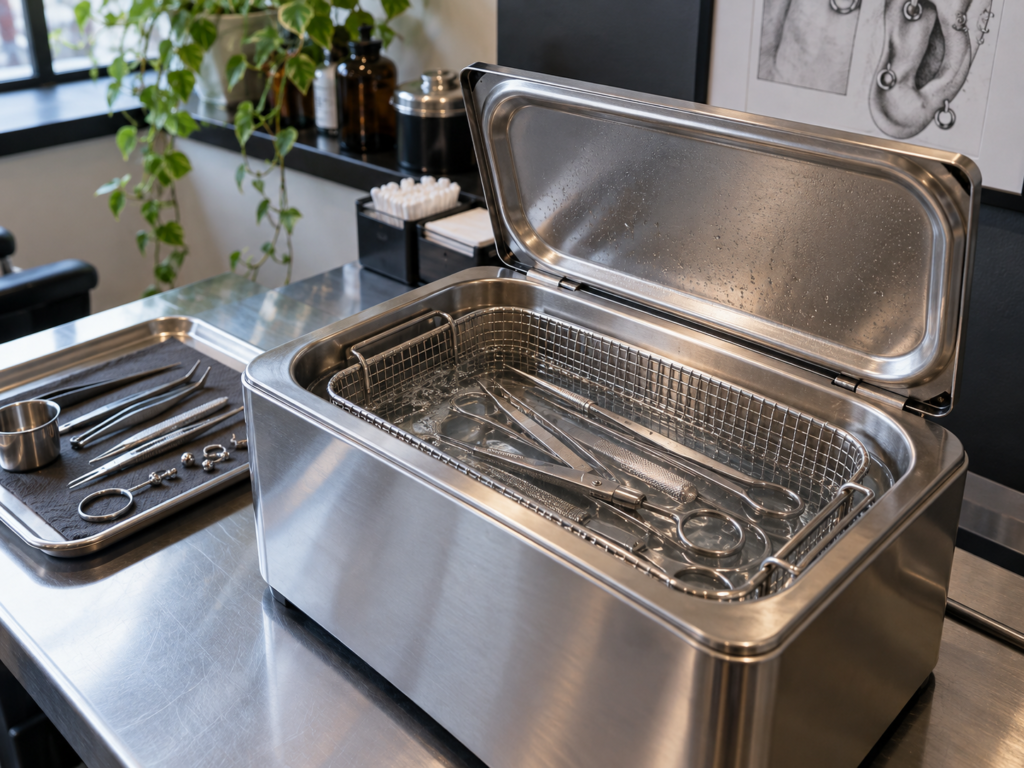
Ultrasonic Cleaning in Body Piercing: Purpose, Use and Limitations
Cavitation can assist cleaning under controlled conditions, but an ultrasonic cleaner does not sterilise or make an incomplete process safe.
Read the article →: Ultrasonic Cleaning in Body Piercing: Purpose, Use and Limitations
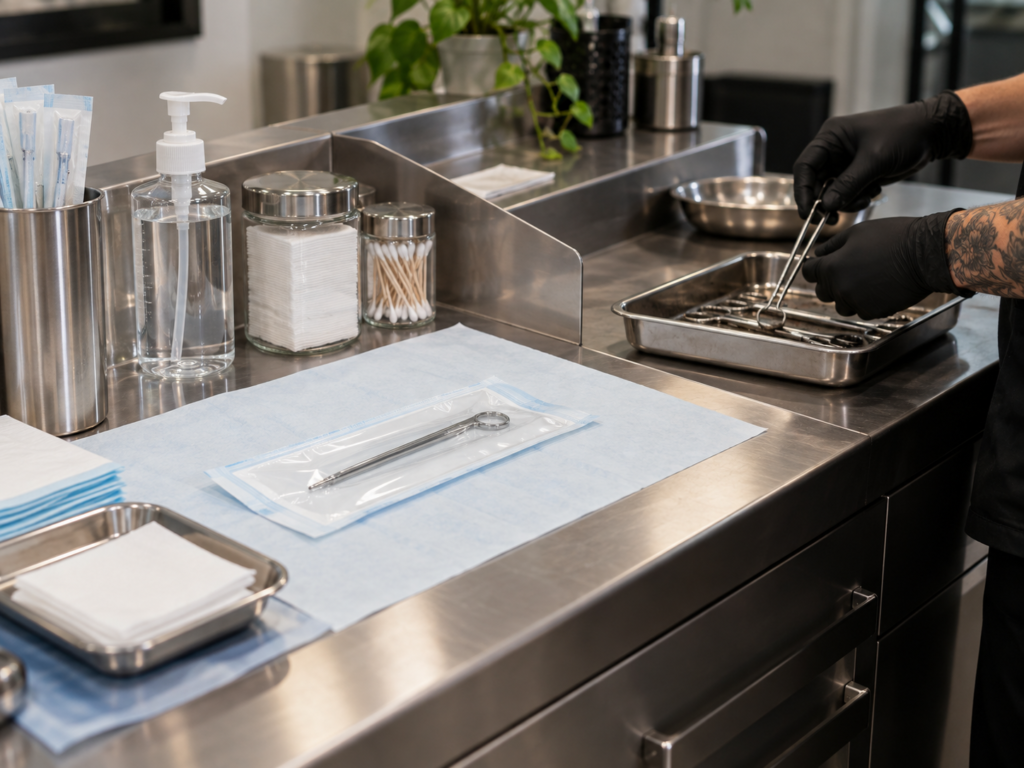
Cross-Contamination in Body Piercing: Common Studio Errors
Common cross-contamination points in a piercing studio, practical barriers and steps to take if contamination is suspected.
Read the article →: Cross-Contamination in Body Piercing: Common Studio Errors