
MyPiercing · Guidance for professionals
MyPiercing Blog
Practical, technical guides to piercing materials, sterilisation, jewellery closures, finishes and sizing for professional studios and resellers.

When Can I Change My Piercing Jewellery for the First Time?
There is no one date for everyone: learn the difference between downsizing and a style change, when to see your piercer, and which signs not to ignore.
Read the article →: When Can I Change My Piercing Jewellery for the First Time?
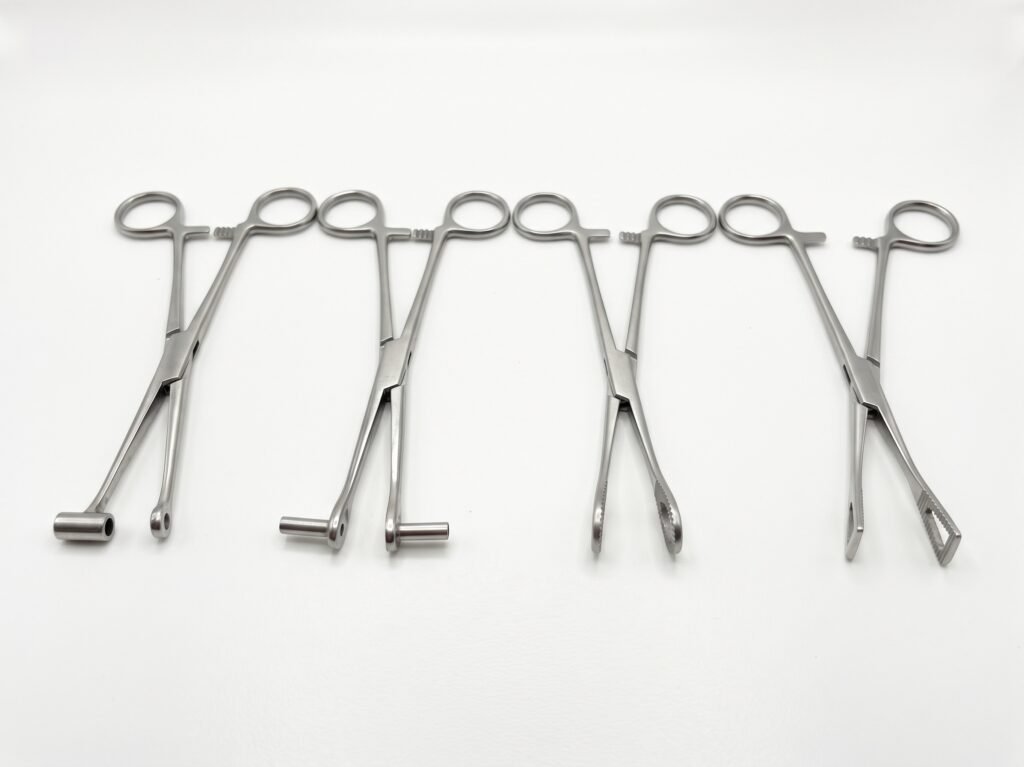
Body Piercing Forceps: Pennington, Foerster, Septum and Other Models
Learn to recognise forceps sold for piercing, distinguish tissue-gripping tools from jewellery pliers, and understand what a model name does - and does not - establish.
Read the article →: Body Piercing Forceps: Pennington, Foerster, Septum and Other Models

When Should a Piercer Refer a Client to a Healthcare Professional?
Recognising the limits of the piercer’s role is part of care: observe, communicate and refer without diagnosing.
Read the article →: When Should a Piercer Refer a Client to a Healthcare Professional?
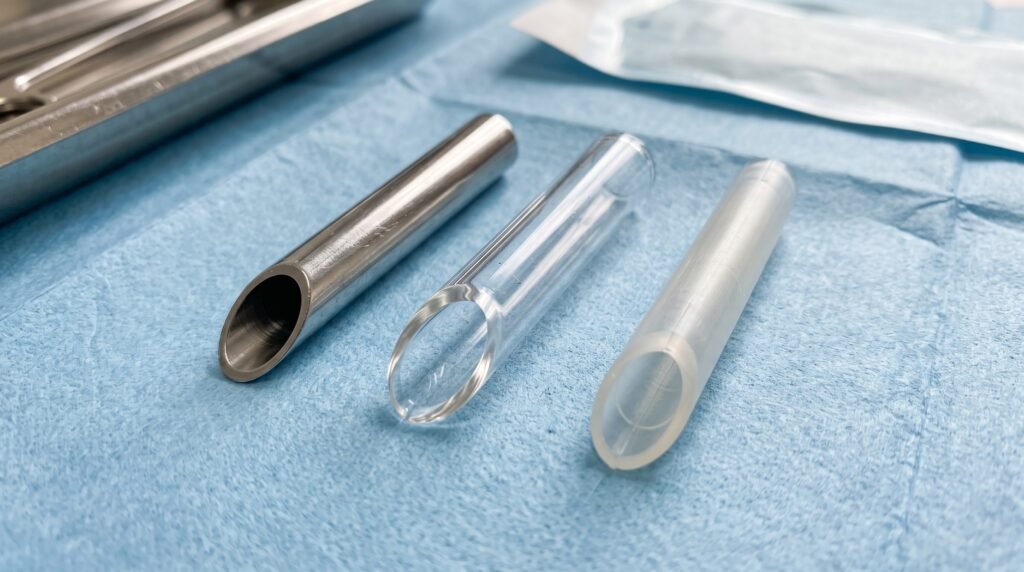
Stainless Steel, Glass and Single-Use Receiving Tubes: Key Differences
Material affects maintenance and limitations, but does not by itself show that a receiving tube is sterile, safe or suitable.
Read the article →: Stainless Steel, Glass and Single-Use Receiving Tubes: Key Differences

Ultrasonic Cleaning in Body Piercing: Purpose, Use and Limitations
Cavitation can assist cleaning under controlled conditions, but an ultrasonic cleaner does not sterilise or make an incomplete process safe.
Read the article →: Ultrasonic Cleaning in Body Piercing: Purpose, Use and Limitations
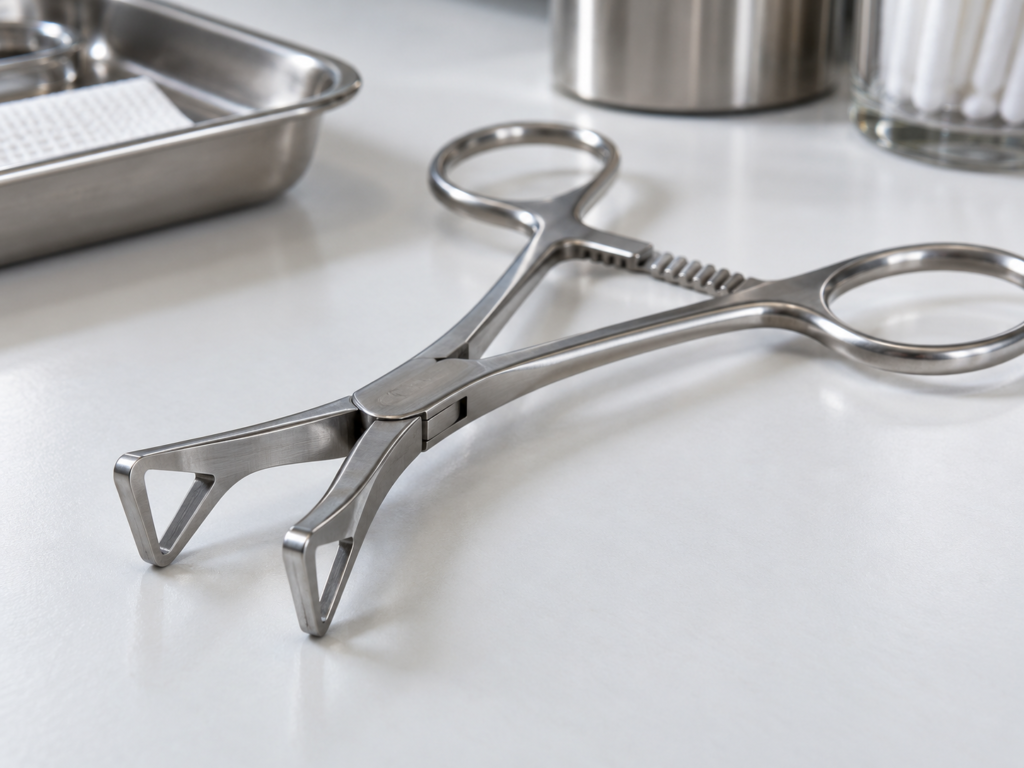
Triangular Forceps for Piercing: What Does the Shape Tell You?
A triangular shape does not identify a model or intended use on its own. Find out what product catalogues document and what still needs verification.
Read the article →: Triangular Forceps for Piercing: What Does the Shape Tell You?
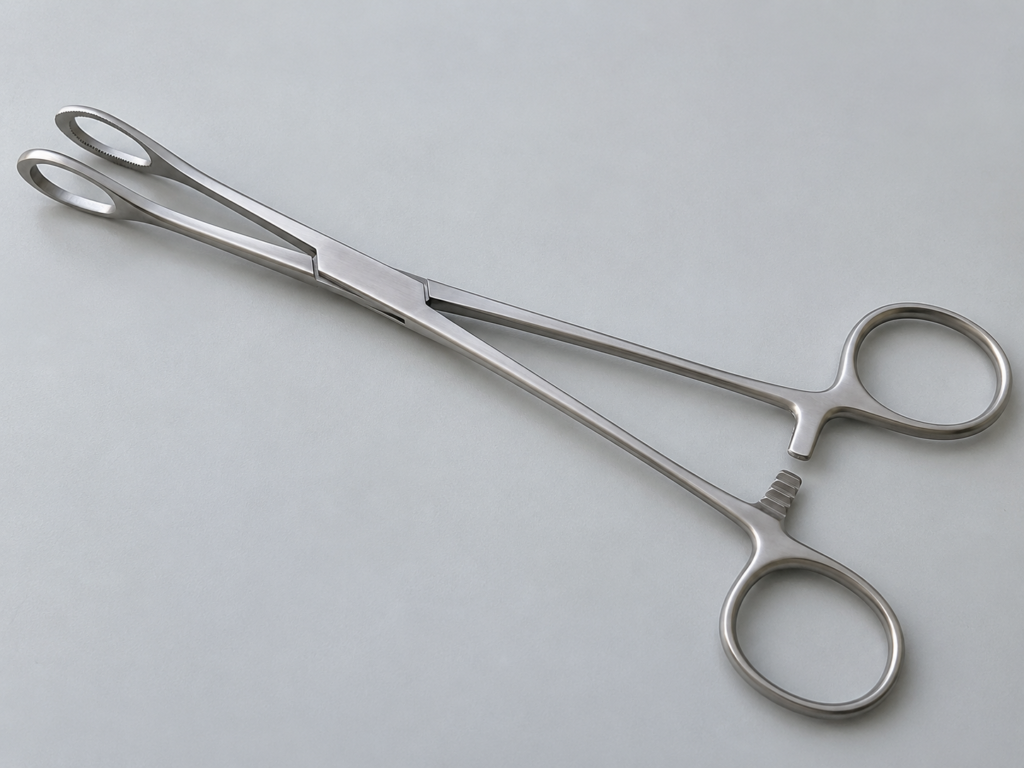
Foerster Forceps and Body Piercing: Features and Limitations
Compare documented Foerster forceps models and distinguish surgical product descriptions from an unsubstantiated use in body piercing.
Read the article →: Foerster Forceps and Body Piercing: Features and Limitations
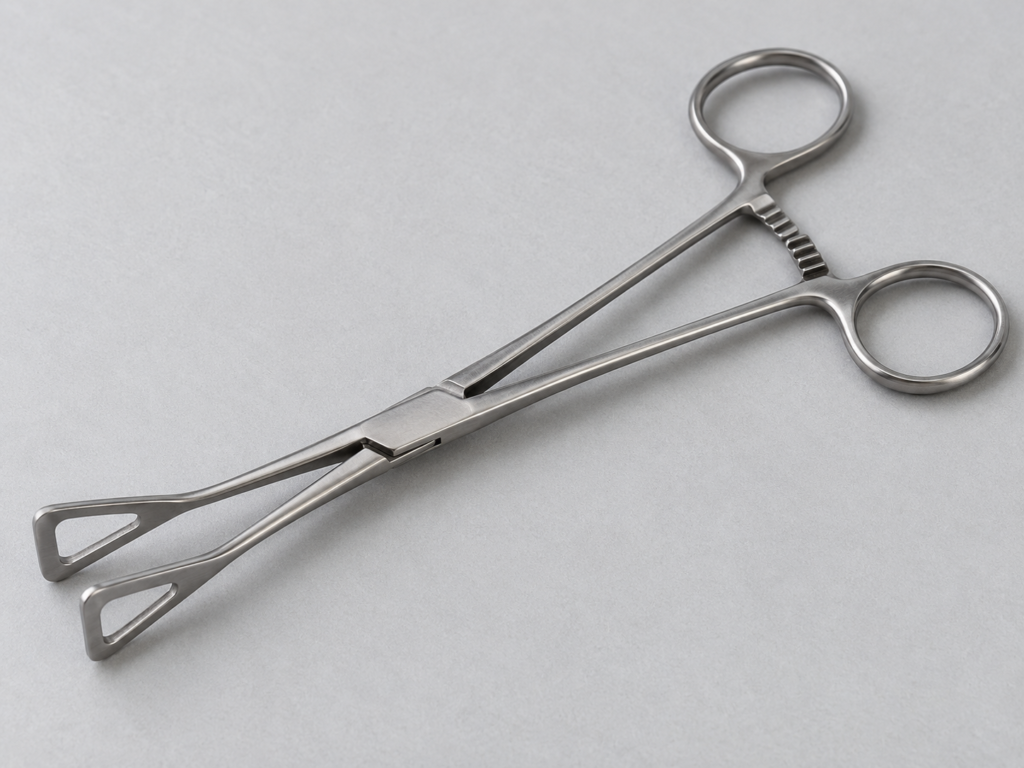
Pennington Forceps in Body Piercing: Features and Limitations
What product catalogues say about Pennington forceps, and why their design alone does not establish a use in body piercing.
Read the article →: Pennington Forceps in Body Piercing: Features and Limitations

Cross-Contamination in Body Piercing: Common Studio Errors
Common cross-contamination points in a piercing studio, practical barriers and steps to take if contamination is suspected.
Read the article →: Cross-Contamination in Body Piercing: Common Studio Errors

How Quickly Can a Piercing Close Without Jewellery?
A piercing can begin to shrink quickly, even after years, but there is no universal timeframe. What to do without forcing jewellery back in.
Read the article →: How Quickly Can a Piercing Close Without Jewellery?
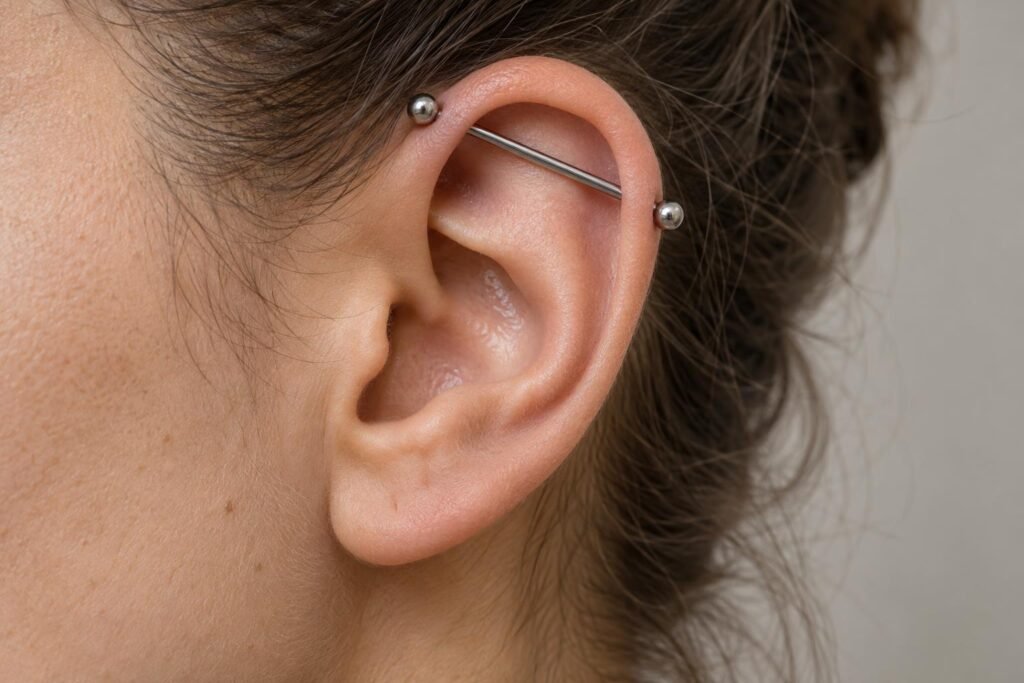
Industrial Piercings: Anatomy, Alignment and Alternatives
A professional guide to ear anatomy, alignment, jewellery fit and pressure—and alternatives when a straight industrial bar is not suitable.
Read the article →: Industrial Piercings: Anatomy, Alignment and Alternatives
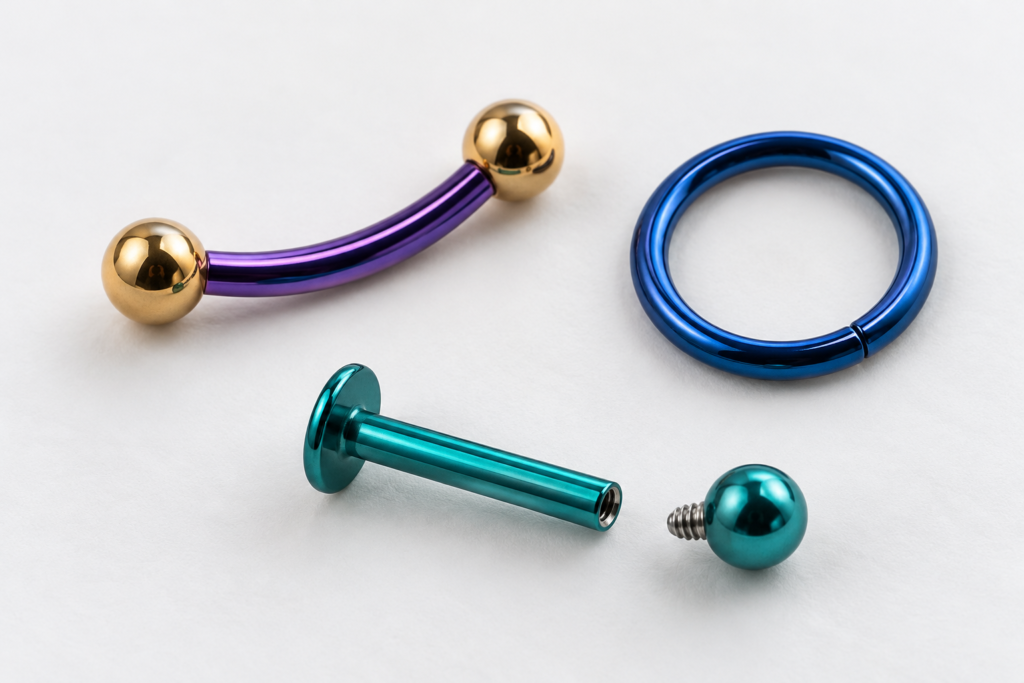
Anodising Titanium and Niobium for Piercing Jewellery
How anodised colours form, what voltage charts can and cannot tell you, and why documented material and finish matter more than colour alone.
Read the article →: Anodising Titanium and Niobium for Piercing Jewellery