
MyPiercing · Guidance for professionals
MyPiercing Blog
Practical, technical guides to piercing materials, sterilisation, jewellery closures, finishes and sizing for professional studios and resellers.
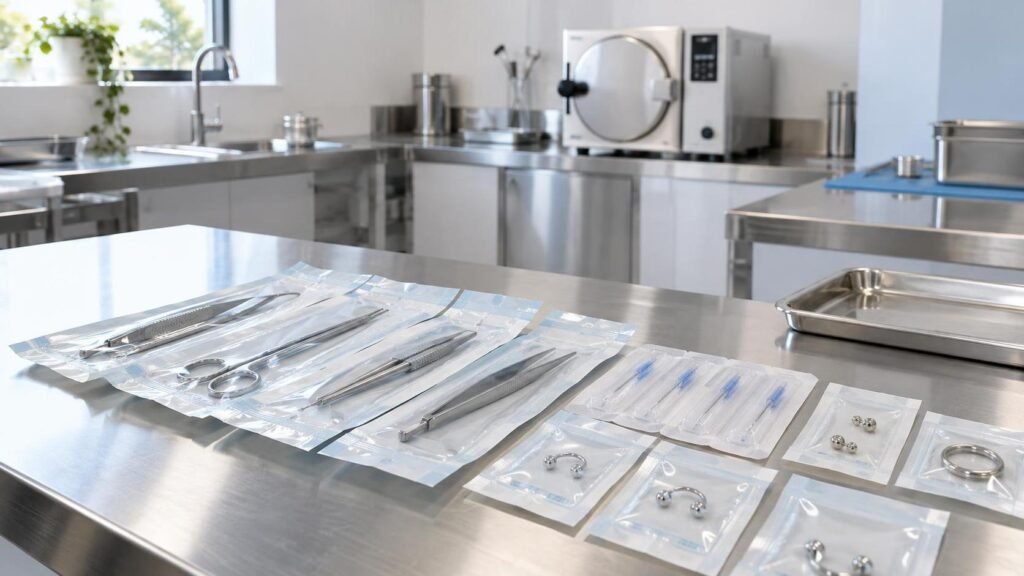
Hygiene Regulations and Operating Procedures for a Piercing Studio in Italy
A practical guide to standard operating procedures for an Italian piercing studio, distinguishing applicable rules from good practice and local requirements.
Read the article →: Hygiene Regulations and Operating Procedures for a Piercing Studio in Italy
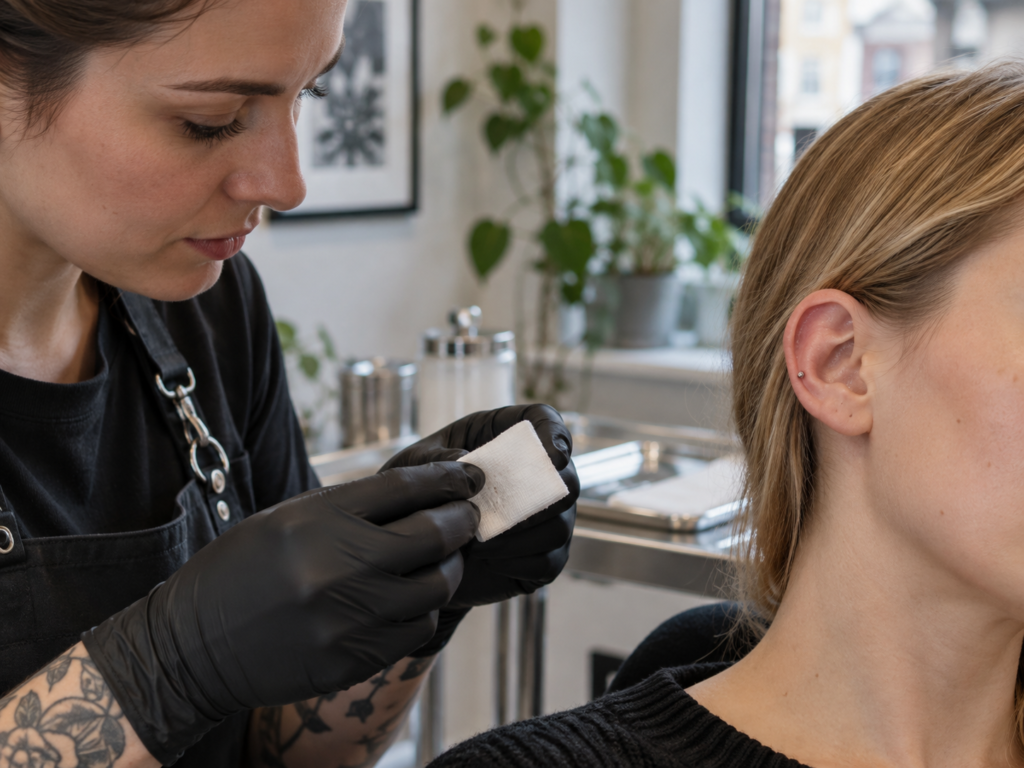
Why Is My Piercing Bleeding? Possible Causes and When to Seek Help
A small amount of initial bleeding can happen, but persistent or recurrent bleeding should be assessed. Find out what to do cautiously and when to seek help.
Read the article →: Why Is My Piercing Bleeding? Possible Causes and When to Seek Help
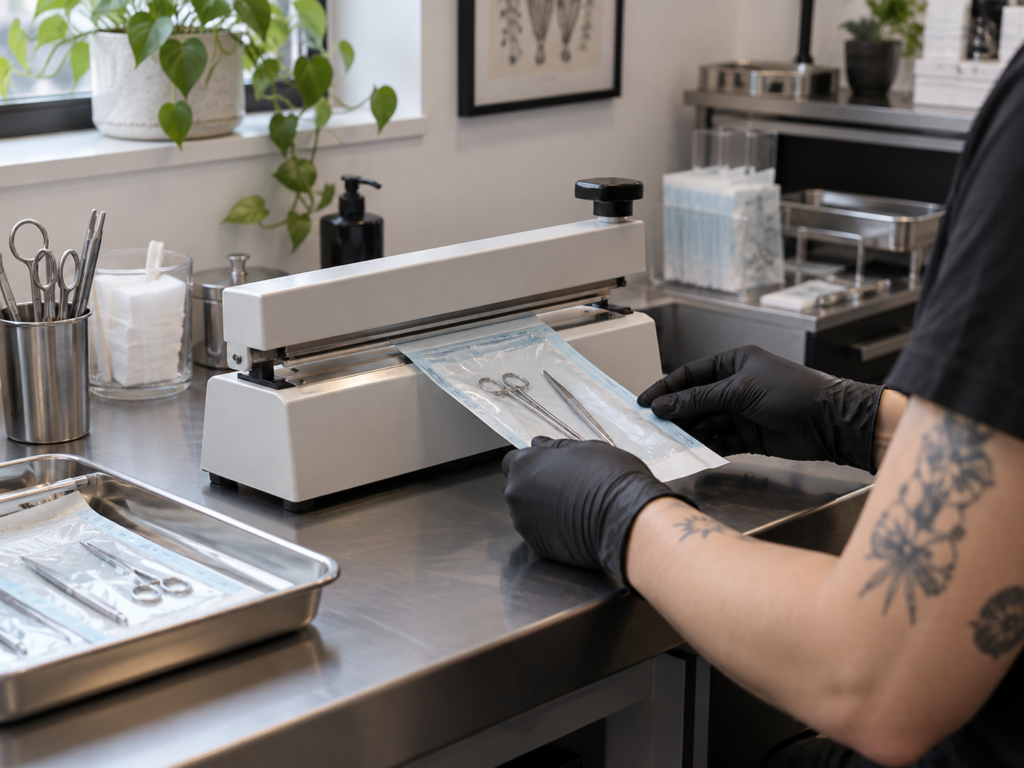
Sterilisation Pouch Sealers: How They Work and When You Need One
What a sterilisation pouch sealer does, where it fits into the process, and what compatibility and checks to verify.
Read the article →: Sterilisation Pouch Sealers: How They Work and When You Need One

Vasovagal syncope in a piercing studio: prevention and response
A cautious guide to recognising presyncope, stopping the appointment and keeping the client and equipment safe.
Read the article →: Vasovagal syncope in a piercing studio: prevention and response
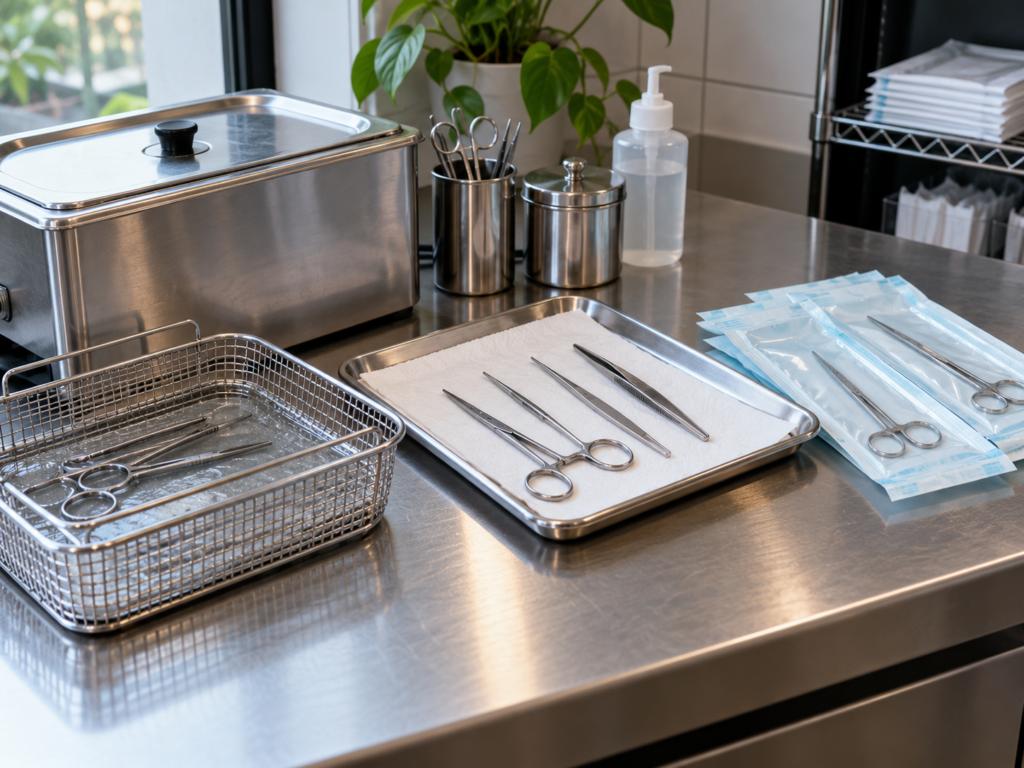
Cleaning, Disinfection and Sterilisation: Why They Are Not the Same
Understand the distinct aims of cleaning, disinfection and sterilisation, and how to keep each stage in the right workflow.
Read the article →: Cleaning, Disinfection and Sterilisation: Why They Are Not the Same
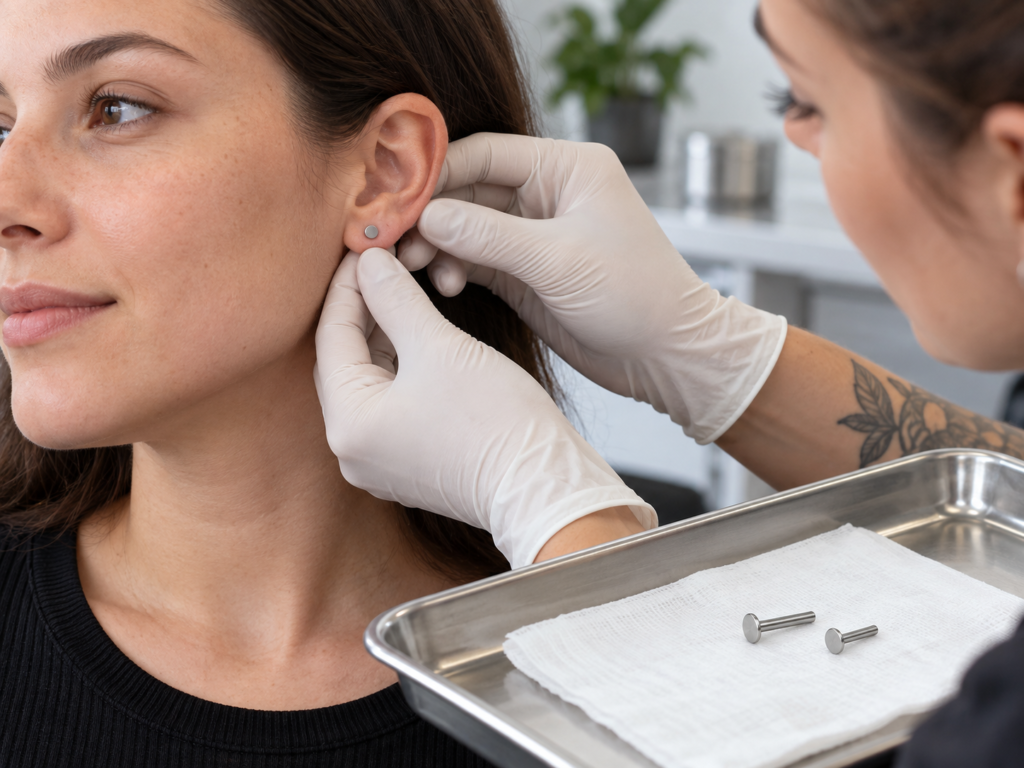
Piercing Downsizing: What It Is, When to Do It and Why It Matters
When initial piercing jewellery may need shortening, why fit matters, and how to arrange a safe check with your piercer.
Read the article →: Piercing Downsizing: What It Is, When to Do It and Why It Matters
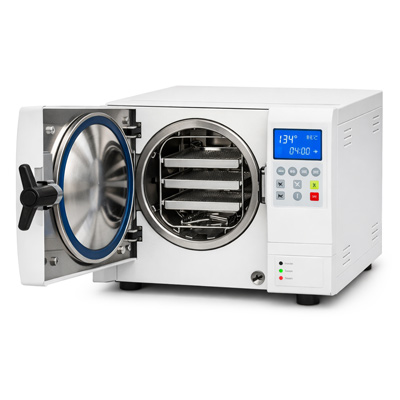
Autoclaves in body piercing: safety, technique and professional responsibility
Understand the role of the autoclave in professional body-piercing infection prevention: how it works, operating protocols, physical, chemical and biological monitoring, and its importance to a studio’s credibility.
Read the article →: Autoclaves in body piercing: safety, technique and professional responsibility
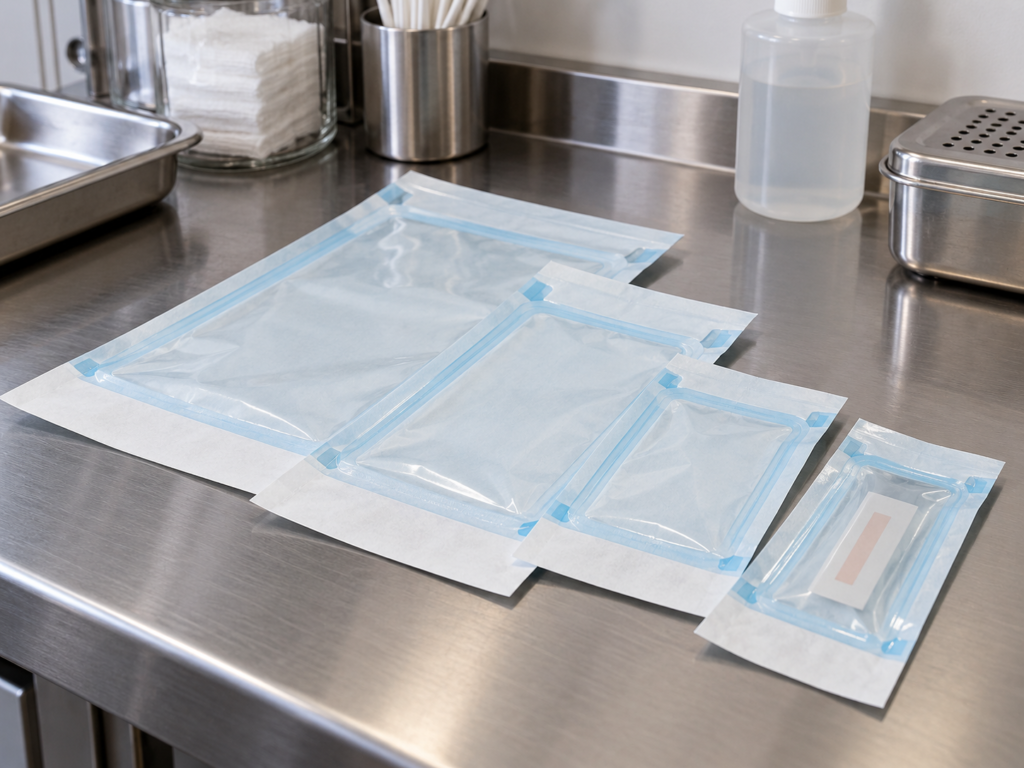
Sterilisation pouches: types, sizes and how to choose
Choice depends on the device, method, steriliser and manufacturers’ instructions; size alone does not establish compatibility.
Read the article →: Sterilisation pouches: types, sizes and how to choose
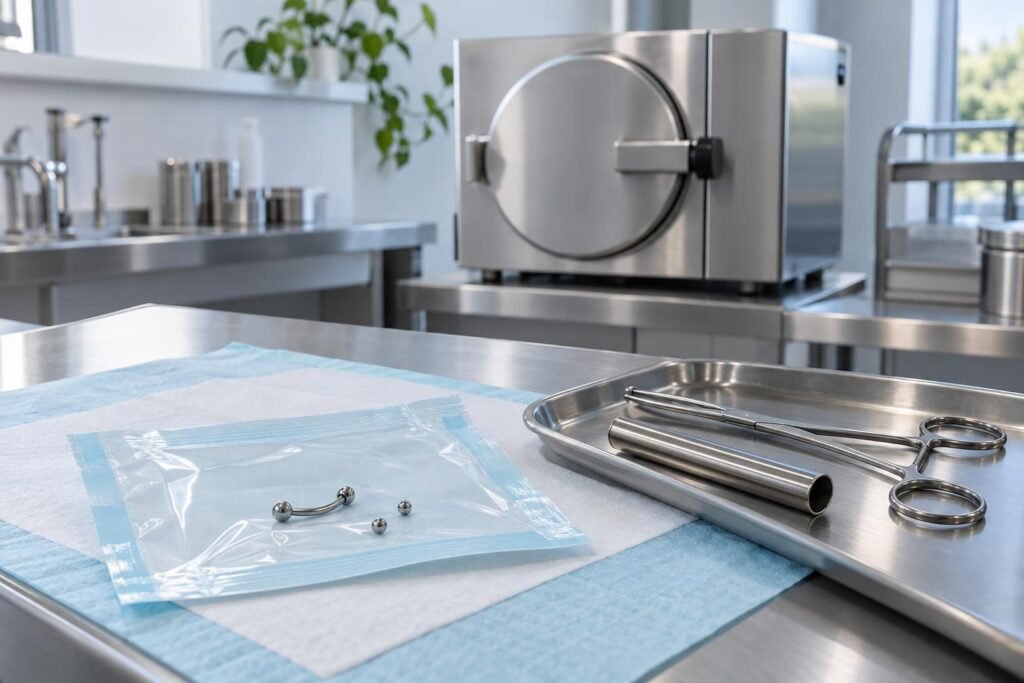
Class B, S or N Autoclave: Which Should a Piercing Studio Choose?
Differences and limitations of B, S and N cycles: how to assess loads, packaging, programmes and manufacturer instructions for a piercing studio.
Read the article →: Class B, S or N Autoclave: Which Should a Piercing Studio Choose?
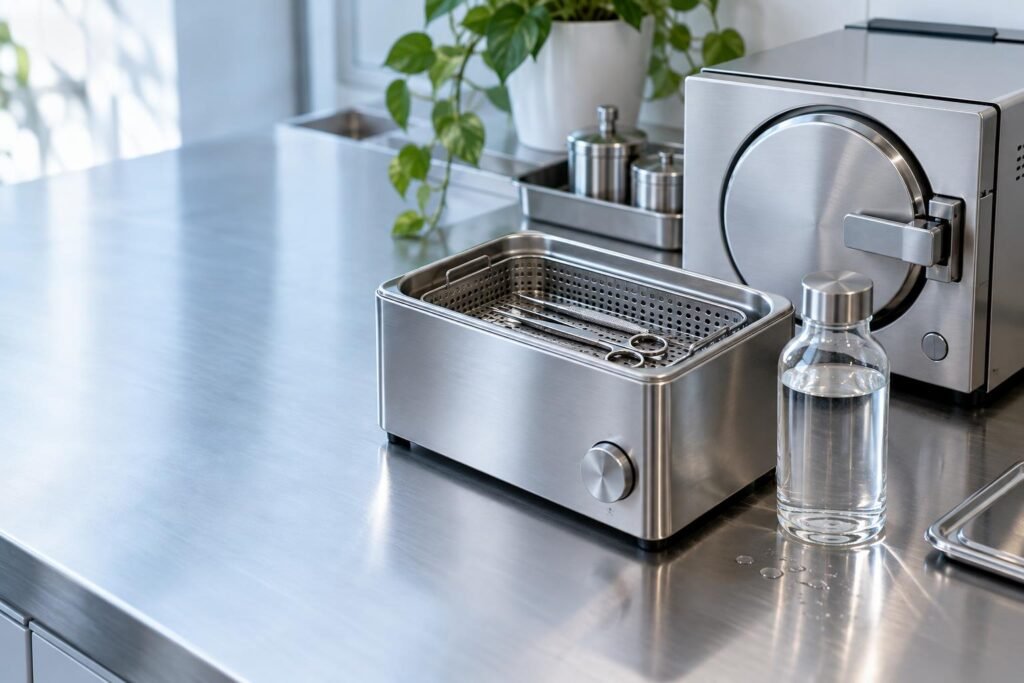
Distilled or Reverse-Osmosis Water? Choosing Water for an Autoclave and Ultrasonic Cleaner
Choose water for autoclaves, ultrasonic cleaners and rinsing according to the equipment and detergent instructions.
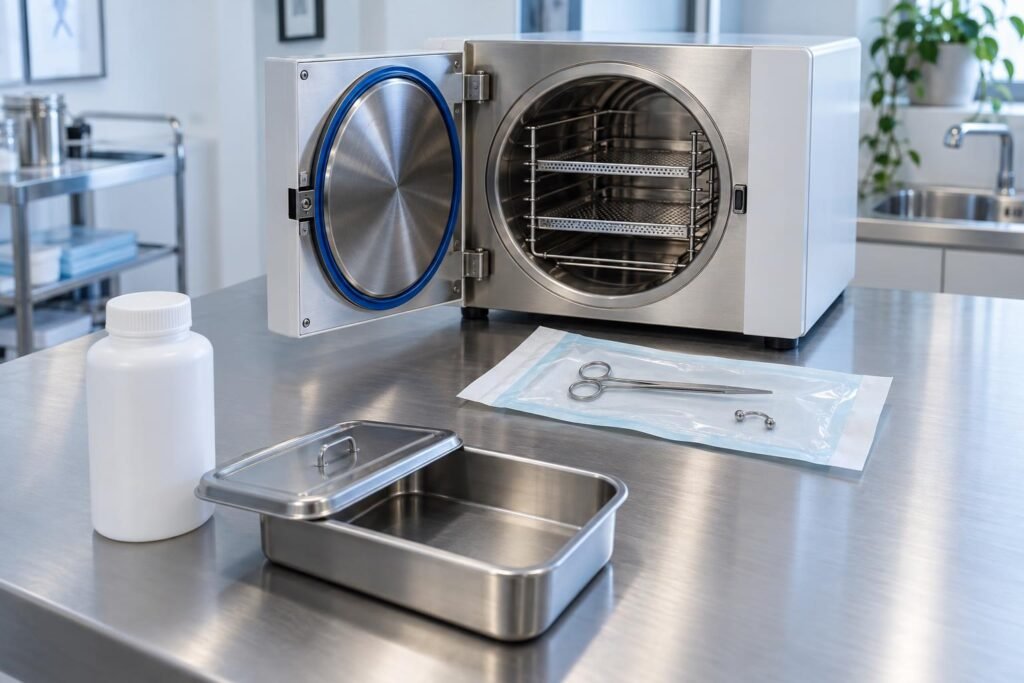
Cold or Steam Sterilisation? Why Glutaraldehyde Isn’t a Shortcut
Glutaraldehyde and autoclaves are not interchangeable: understand sterilisation, the limits of liquid sterilants and how to assess a documented process for piercing.
Read the article →: Cold or Steam Sterilisation? Why Glutaraldehyde Isn’t a Shortcut